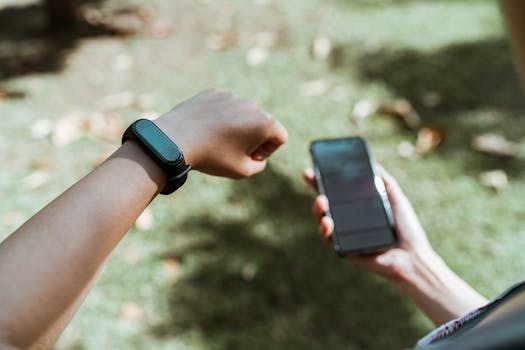

Remember the days when tracking your fitness meant scribbling in a worn-out notebook, diligently counting every lap and estimating every calorie? Me too. It was a noble effort, but let’s be honest, it was about as exciting as watching paint dry. Then, like a brightly coloured superhero cape swooping into our lives, came wearable fitness tech. Now, your wrist – or sometimes your finger, or even your ear – can become your most dedicated (and least judgemental) personal trainer, a data-collecting sidekick that promises to unlock a healthier, happier you. But with so many blinking lights, buzzing notifications, and jargon-filled apps, it’s easy to feel a bit like you’re trying to decode alien transmissions. Let’s demystify this gadget-laden landscape, shall we?
What’s Actually on Your Wrist? Unpacking the Core Features
At its heart, wearable fitness tech is about translating your body’s signals into understandable data. Most of us start with the basics, and it’s easy to see why.
Step Counting: The granddaddy of wearable metrics. It’s a simple concept: how many steps have you taken? But don’t underestimate its power. Seeing that number climb can be surprisingly motivating. It’s like a mini-game played throughout your day, nudging you to take the stairs or walk that extra block.
Heart Rate Monitoring: This is where things get a bit more sophisticated. Your heart rate is a fantastic indicator of your exertion levels. Whether you’re crushing it in a HIIT class or just trying to find your car keys in a crowded parking lot, your wearable can tell you. It helps you understand if you’re training in the right zones for your goals, whether that’s fat burning or cardiovascular improvement.
Activity Tracking: Beyond steps, these devices can often differentiate between various activities. They can sometimes tell the difference between a brisk walk and a leisurely stroll, or even detect when you’re cycling or swimming. It’s not always perfect (my watch once thought I was doing intense yoga while I was merely trying to untangle Christmas lights), but it’s getting better.
Beyond the Basics: The Deeper Dive into Your Wellbeing
As wearable fitness tech has evolved, so have its capabilities. We’ve moved far beyond just counting steps and calories.
#### Sleep: The Unsung Hero of Fitness
Many wearables now offer sleep tracking. This isn’t just for bragging rights about your impressive 8-hour slumber. Understanding your sleep patterns – how much time you spend in light, deep, and REM sleep – can reveal a lot about your recovery and overall health. Poor sleep can sabotage even the most dedicated training efforts, so having this data can be a game-changer. It’s like a detective’s report on your nightly recharge cycle.
#### Stress and Recovery: Are You Overtraining or Undermining Yourself?
This is a fascinating area. Some advanced wearables can estimate your stress levels by analyzing heart rate variability (HRV) and other physiological signals. They can also provide “recovery scores,” suggesting when your body is primed for a tough workout and when it might need a rest day. This insight is invaluable for preventing burnout and optimizing your training schedule. I’ve often found that listening to my watch’s gentle nudge to take it easy has saved me from a week of feeling like a deflated balloon.
#### GPS and Workout Metrics: For the Serious (and Even the Not-So-Serious) Athlete
If you’re a runner, cyclist, or hiker, built-in GPS is a must-have. It accurately maps your routes, tracks your pace, distance, and elevation. Many devices also offer advanced running dynamics, like stride length and cadence, which can help you refine your technique. For those who love data-driven improvement, this is pure gold.
Choosing Your Wearable Companion: Not All Gadgets Are Created Equal
Navigating the sheer volume of wearable fitness tech options can feel like choosing a lottery ticket. Here’s a quick rundown of what to consider:
Your Primary Goal: Are you just starting out and want to be more active? Or are you a seasoned athlete looking for granular performance data? Your objective will dictate the features you need.
Budget: Wearables range from budget-friendly fitness trackers to premium smartwatches. Set a budget and stick to it.
Ecosystem: Do you already use a particular app or smartphone brand? Some wearables integrate more seamlessly with certain ecosystems.
* Comfort and Style: You’re going to be wearing this thing all day, every day. Make sure it’s comfortable and looks good on you. Nobody wants to feel like they’re wearing a clunky brick on their wrist.
The Future is Fitter, Faster, and Smarter
Wearable fitness tech is no longer a novelty; it’s becoming an integral part of how we understand and manage our health. From early pioneers like the Fitbit to the sophisticated smartwatches of today, the evolution has been breathtaking. We’re seeing advancements in non-invasive blood glucose monitoring, more accurate body composition analysis, and even features that can detect potential health anomalies.
It’s an exciting time to be involved with your own wellbeing. The sheer accessibility of detailed personal health data empowers us to make more informed decisions about our exercise, diet, sleep, and stress management.
Wrapping Up: Your Data, Your Power
So, there you have it. Wearable fitness tech isn’t magic, but it’s certainly a powerful tool. It takes the guesswork out of understanding your body, providing insights that can guide you towards your health and fitness goals. Whether you’re aiming to walk more, sleep better, train smarter, or just generally feel more in tune with your physical self, there’s a wearable out there ready to be your silent, data-driven cheerleader. Embrace the data, use it wisely, and watch your fitness journey transform. After all, who wouldn’t want a personal trainer that never complains about early morning workouts and always has your back (or, more accurately, your wrist)?